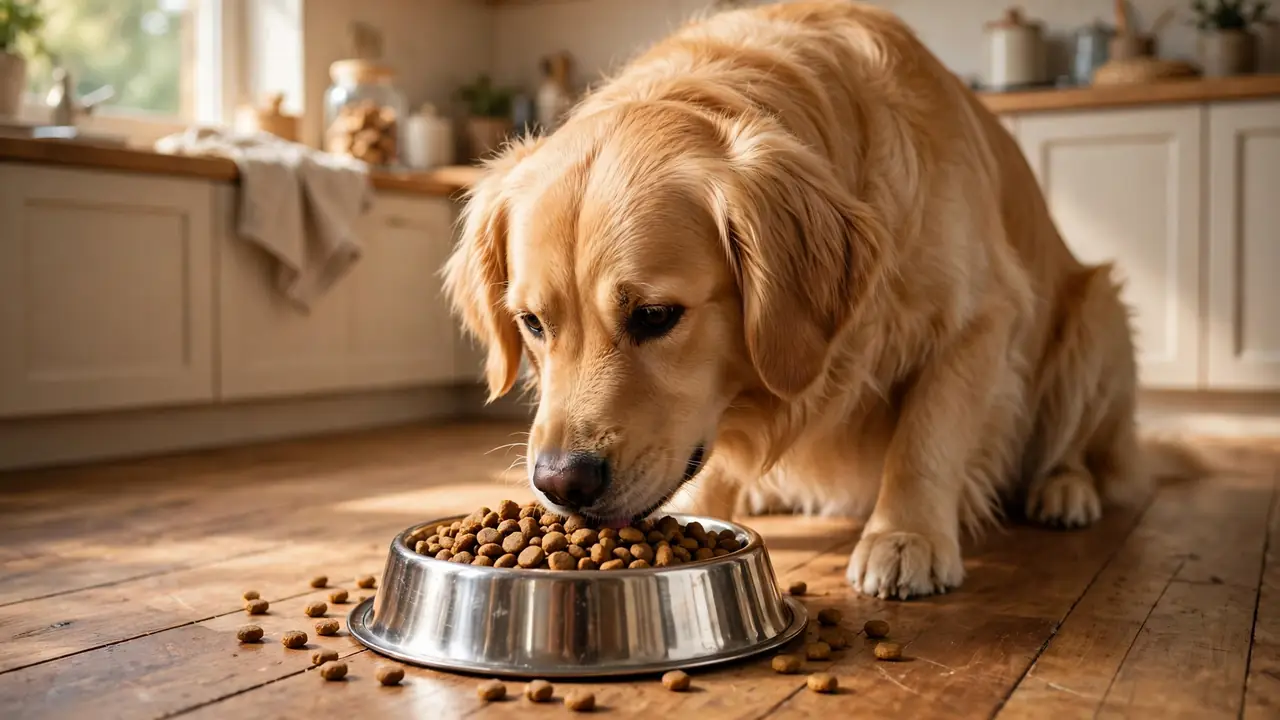
Choosing the best dry dog food Australia 2026 has on offer is harder than it should be. Walk into any Petbarn or scroll through Pet Circle and you are hit with hundreds of bags, every one of them claiming to be “premium”, “natural” or “vet recommended”. Meanwhile prices have crept up, and the difference between a $60 bag and a $160 bag is not always obvious on the label. So we did the homework: we compared ingredients, checked feeding costs per day, and looked at which formulas vets actually tend to recommend. This guide breaks down the top picks by life stage — puppy, adult, large breed, senior and grain-free — with honest pros and cons for each, so you can buy with confidence instead of guessing in the aisle.
What to Look for in a Quality Dry Dog Food
Before the shortlist, a quick primer on reading a label like a sceptic rather than a salesperson’s pitch. The single most important line on the bag is the ingredient list, and the first ingredient should be a named animal protein — chicken, lamb, beef, salmon — not “meat and bone meal” or a grain. Dogs are omnivores that do best with meat as the foundation of their diet, and Australian consumer law requires ingredients to be listed in descending order by weight, so what comes first genuinely matters most.
Next, check the guaranteed analysis. For an adult dog, look for at least 18–22% crude protein (AAFCO’s minimum is 18%, but most quality foods land in the mid-20s to low-30s), a named fat source such as chicken fat or fish oil, and omega-3 and omega-6 fatty acids for skin and coat. Fibre from beet pulp, pumpkin or rice bran supports digestion. For puppies, protein should be higher — around 22–32% — with calcium and phosphorus levels balanced for controlled growth. Avoid foods packed with fillers like corn, wheat gluten and vague “animal by-products”, and be wary of pretty marketing terms: “gourmet” and “holistic” have no legal meaning on a pet food label in Australia.
Also confirm the food meets AAFCO nutritional profiles for your dog’s life stage. Reputable brands state this clearly on the bag (“formulated to meet the nutritional levels established by the AAFCO Dog Food Nutrient Profiles for adult maintenance”, for example). If a brand does not make that statement, move on. Finally, feeding trials and quality control matter: brands that manufacture in Australia, like Black Hawk, are subject to local oversight, which many owners find reassuring.
How We Chose These Picks
We did not rank these by commission or sponsorship. Every product in this best dry dog food Australia 2026 shortlist earned its place on merit. Each pick was judged on ingredient quality and transparency, life-stage appropriateness, price per day of feeding, availability at major Australian retailers (Petbarn, Pet Circle, My Pet Warehouse and Kogan). This guide sits in our Reviews section, alongside our wider Dog Care guides, and what Australian vets and nutritionists tend to say about the brand. Prices quoted are October 2026 snapshots from Australian online retailers — they move around with specials, so treat them as a guide and check before you buy.
One more filter we applied, and one most round-ups skip: feeding cost per day, not per bag. A big bag that looks expensive can be the cheapest option over a month, while a small “affordable” bag of a calorie-dense food can work out dearer. Wherever we had solid retail data we have shown the per-kilo and per-day maths so you can compare properly.
Best Dry Dog Food Australia 2026 for Puppies
Black Hawk Puppy — Chicken & Rice
Black Hawk is the Australian-made brand that keeps showing up in vet clinic conversations, and its puppy formula is a strong all-rounder. Real chicken is the first ingredient, protein sits around 30%, and it includes DHA for brain development and calcium balanced for steady skeletal growth. A 3kg bag typically sells for around $30–$40 at Australian retailers, while the 20kg bag — the one most puppy-raising households graduate to — generally lands near $150–$165. That works out to some of the best per-kilo value among premium Australian-made foods, roughly $8 per kilo on the big bag, which is well below imported super-premium brands that can run $12–$15 a kilo. For first-time owners juggling the chaos of puppyhood, our puppy training guide for first-time owners pairs well with getting the diet right from day one.
Pros: Australian-made, real chicken first, excellent value per kilo, widely stocked. Cons: Contains rice, so not for strict grain-free feeders; some fussy puppies prefer smaller kibble sizes.
Advance Puppy — Rehydratable
Advance is made in Australia and is one of the brands Australian vets actually stock and feed in their own clinics. Its puppy formula features chicken as the first ingredient, added colostrum, and a rehydratable kibble that softens for very young pups transitioning off their mother’s milk. Pricing sits in the same premium bracket as the other vet-trusted brands, and Advance is discounted often at Pet Circle and Petbarn, so it is worth checking both before you buy. If your puppy seems unsettled in the first weeks home, diet is only half the story; the other half is routine and crate training, which most trainers recommend starting from night one.
Pros: Vet-trusted brand, good for tiny puppies, Australian-made. Cons: Slightly pricier per kilo than Black Hawk; limited flavour range.
Best Dry Dog Food Australia 2026 for Adult Dogs
Black Hawk Original Adult — Chicken & Rice
The adult version of the same formula is our top all-round pick for grown dogs. Chicken meal and chicken fat provide concentrated protein (around 28%), emu oil and flaxseed support skin and coat, and the food is formulated without artificial colours or preservatives. Pricing verified at Australian retailers shows the 3kg bag at about $32–$38, the 10kg bag near $95–$100, and the 20kg bag at $138–$158 — putting the per-kilo cost at roughly $7–$8, excellent for a genuinely premium Australian-made food. At typical feeding rates, that is about $1.50–$2.50 a day to feed a medium dog, less than most people spend on coffee. Treats matter too — once the main diet is sorted, our guide to the best healthy dog treats in Australia keeps the snack side of the bowl honest.
Pros: Outstanding value, Australian-made, complete and balanced for adult maintenance, well accepted by fussy eaters. Cons: Grain-inclusive; bag sizes can be heavy to lug home.
Royal Canin Medium Adult
Royal Canin takes a different approach: breed- and size-specific formulas backed by decades of research. The Medium Adult formula (for dogs 11–25kg) uses highly digestible proteins, tailored kibble size for jaw shape, and added omega-3s and prebiotics. Expect to pay a premium — roughly $155–$160 for a 15kg bag at Australian retailers (checked October 2026) — but you get one of the most researched foods on the shelf and a brand that employs hundreds of veterinary nutritionists. If your dog has a sensitive stomach, Royal Canin’s digestibility focus is a genuine advantage, not just marketing.
Pros: Deeply researched, size-specific kibble, excellent digestibility. Cons: Noticeably pricier per kilo; not Australian-made.
Best Dry Dog Food for Large Breeds
Black Hawk Original Large Breed — Chicken & Rice
Large and giant breeds have special needs: controlled calcium and phosphorus to protect growing joints, and glucosamine and chondroitin to support hips and elbows under a heavier frame. Black Hawk’s large-breed formula delivers both, with real chicken first and the same Australian-made credentials. The 20kg bag typically retails around $140–$165 at Australian online stores, making it one of the most affordable large-breed options per kilo — important when you are feeding 400–600g a day. Large-breed owners should also read our guide to the best large dog breeds for Australian families for breed-specific exercise and health notes.
Pros: Joint-support extras included, great per-kilo value, Australian-made. Cons: Single protein option in the large-breed line; kibble is large (fine for most, not for small mouths).
Advance Large Breed Adult
Advance’s large-breed formula is another solid Australian-made choice with controlled mineral levels and added green-lipped mussel for joint support. It sits a rung above Black Hawk on price but a rung below the imported super-premiums. Worth a look if your big dog is a fussy eater — Advance’s palatability scores well in owner reviews.
Best Dry Dog Food for Senior Dogs (7+ Years)
Older dogs need fewer calories but more targeted support: joint nutrients, easy-to-digest protein, and antioxidants for immune health. Hill’s Science Diet Adult 7+ is the benchmark here — it is one of the few senior foods with published feeding-trial data behind it, and Australian vets recommend it routinely. A 7.5kg bag was listed at $79.38 at Net To Pet when we checked in October 2026, and the larger 12kg bag sells for around $160 at Budget Pet Products — premium pricing that reflects its research-backed formulation. Black Hawk’s Mature formula is the Australian-made budget-friendly alternative, with added glucosamine and chondroitin at roughly half the per-kilo price. For the full picture on ageing dogs, see our senior dog care guide, which covers exercise, vet checks and comfort alongside diet.
Hill’s Pros: Research-backed, vet-recommended, excellent joint support. Hill’s Cons: Premium price. Black Hawk Mature Pros: Australian-made, affordable, good joint extras. Cons: Fewer published trials.
Best Grain-Free Dry Dog Food
Our best dry dog food Australia 2026 grain-free picks come with a caveat: grain-free is worth considering if your vet has identified a grain sensitivity — but note that true grain allergies are uncommon in dogs, and the US FDA has investigated a possible link between grain-free diets and canine heart disease (dilated cardiomyopathy). Talk to your vet before switching. If grain-free is the right call, Meals for Mutts (Australian-made, grain-free, single-protein options like kangaroo) and Taste of the Wild (imported, novel proteins) are the standouts. Meals for Mutts typically costs around $120–$150 for a 20kg bag — reasonable for grain-free — while imported options run higher.
Feeding Guide: How Much and How Often
Even the best food fails if the portions are wrong, and overfeeding is one of the most common mistakes Australian dog owners make — the RSPCA notes that obesity is a major and growing welfare issue in companion animals. Use the feeding guide on the bag as a starting point, then adjust for your dog’s body condition: you should be able to feel (not see) the ribs, and there should be a visible waist when viewed from above.
As a rough guide for a quality adult food: small dogs (under 10kg) need roughly 100–200g per day, medium dogs (10–25kg) about 200–400g, and large dogs (25–40kg) around 400–600g. Puppies eat more per kilo of body weight and need three meals a day until about six months, then two. Active working breeds may need 20–30% more. Weigh the food with kitchen scales rather than a scoop — studies show scoops routinely over-serve by 20% or more. And fresh water should always be available; some owners like to compare raw feeding as well, but any diet change should be transitioned gradually over 7–10 days to avoid stomach upsets.
Frequently Asked Questions
How much does it cost to feed a dog dry food per month in Australia?
For a medium dog on a premium Australian-made food like Black Hawk (roughly $7–$8 per kilo), expect to feed about 9–12kg a month, costing around $70–$100. Supermarket brands can halve that, while imported super-premium foods can double it.
Is expensive dog food actually better?
Not always, but price often tracks ingredient quality. The sweet spot in Australia is the $7–$10 per kilo range, where you get named meat proteins, no fillers and proper AAFCO formulation. Beyond about $12–$15 a kilo you are mostly paying for marketing, novel proteins or import costs.
Should I mix wet food with dry kibble?
Many owners do, and it is fine — wet food adds moisture and palatability. Keep the total daily calories the same by reducing the kibble portion accordingly, and make sure both foods are complete and balanced.
How do I switch my dog to a new dry food?
Transition over 7–10 days: start with 75% old food and 25% new, shifting the ratio gradually. A sudden switch commonly causes diarrhoea or refusal to eat, especially in dogs with sensitive stomachs.
Is Australian-made dog food better than imported?
Not automatically, but Australian-made foods like Black Hawk, Advance and Meals for Mutts offer fresher supply chains, local quality oversight and often better per-kilo value since there are no import costs baked into the price.
Feeding advice sourced from AAFCO nutrient profiles and the RSPCA Knowledgebase. Prices are October 2026 snapshots from Australian online retailers and may vary.